Soft Skills: The Superpowers Helping Children — and Parents — Thrive Together
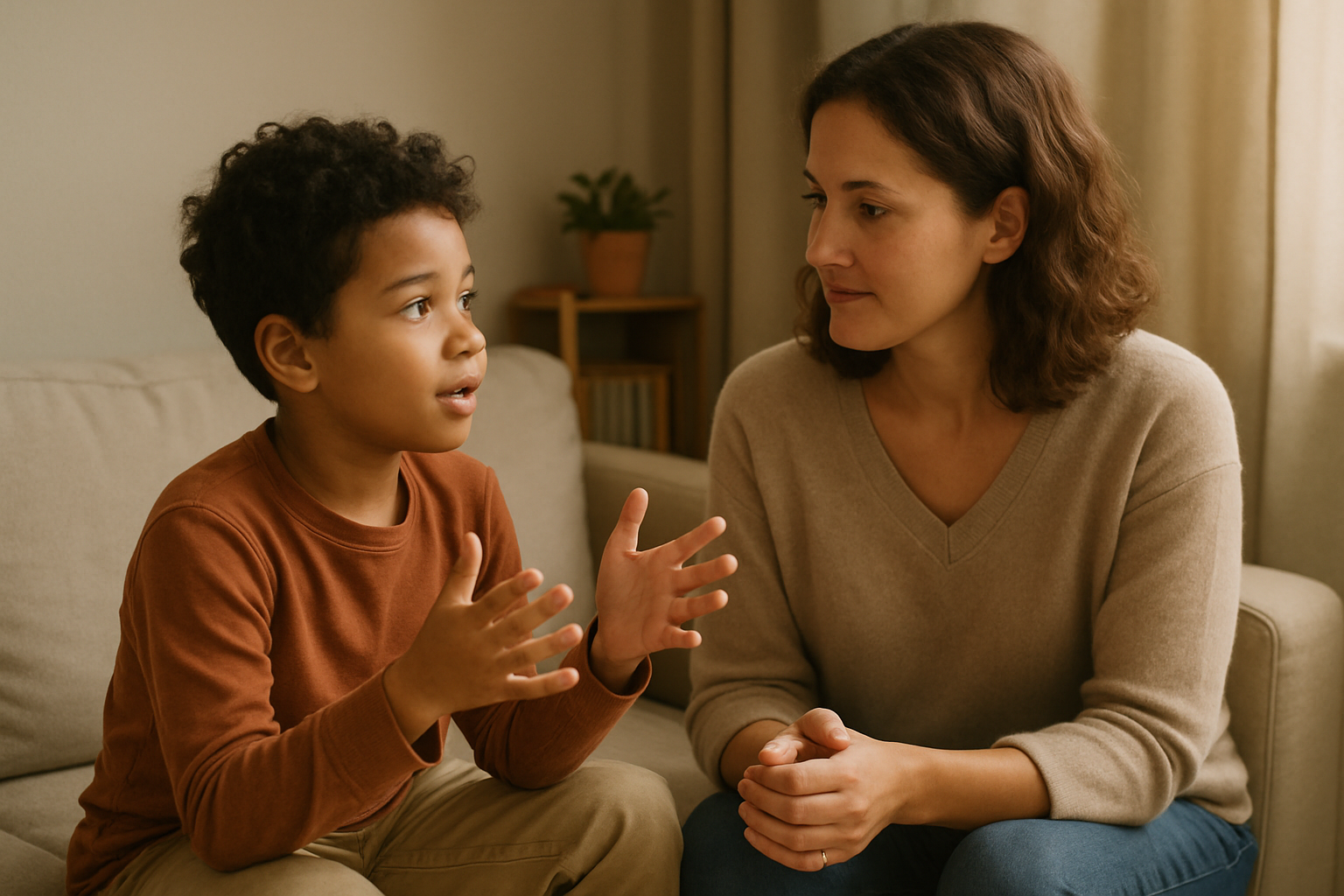
A SNAP-inspired guide for families who want to grow side by side
Quick Summary
In this guide, you’ll learn:
What soft skills really are
Why they matter for children’s long-term success
How parents benefit when learning the same skills
What makes SNAProgramme uniquely effective
Practical strategies you can use today
The scientific evidence behind social-emotional learning
Introduction: A New Definition of Success
Today’s world asks more of children than ever before. They aren’t just navigating schoolwork — they face social pressures, emotional challenges, fast-changing environments, and the increasing expectations of modern life.
Recent empirical research shows that social-emotional learning interventions significantly improve children’s emotional wellbeing and behavioural outcomes, underlining the value of consistent soft-skills development.
While academic knowledge still matters, it’s soft skills that often shape how confidently and happily children move through the world. Skills like empathy, resilience, adaptability, emotional balance and communication are the ones that help children learn, cope, collaborate and thrive.
A 2024 open-access study of 4–5-year-olds found that a social-emotional learning programme significantly reduced aggression and anxiety, while boosting emotional regulation and social adaptation — even in preschool settings.
But soft skills don’t simply “appear” with age.
They grow through practice, guidance and nurturing environments.
And here’s the most powerful part of the SNAP approach:
When parents learn soft skills alongside their children, families become calmer, more connected and more resilient — together.
This is the core of the SNAProgramme:
shared learning, not separate paths.
Because when a child grows a skill, the parent grows a tool — and the whole family transforms.
1. What Are Soft Skills — and Why Do They Matter?
Soft skills are the human abilities that help children:
understand their feelings
form healthy relationships
communicate effectively
solve problems
adapt to challenges
work well with others
manage stress
persevere when things feel difficult
They’re sometimes called “social-emotional skills”, “life skills” or “non-cognitive skills”. Whatever the name, they shape how children behave, learn and interact with the world.
Here are the core soft skills children need today:
Emotional regulation
Confidence and self-awareness
Communication skills
Empathy and kindness
Problem-solving ability
Adaptability and flexibility
Teamwork and cooperation
Resilience and persistence
These abilities act as scaffolding for everything else: academic learning, friendships, independence, and long-term wellbeing.
A real-life example parents immediately recognise
Your child is building a Lego tower.
A wrong move sends the top crashing down.
A child with developing soft skills might:
take a breath
reset
rebuild
maybe even laugh about it
A child without them may:
get overwhelmed
cry
become frustrated
give up entirely
The difference isn’t personality —
it’s practice, emotional tools, and guidance.
Soft skills turn small moments like this into opportunities for growth.
2. The Science Behind Social-Emotional Learning (SEL)
Soft skills are not abstract “nice extras”. They’re scientifically proven to influence children’s future success.
Research shows SEL improves:
academic performance
attention and concentration
relationship quality
emotional wellbeing
behaviour in school
long-term mental health
In a major study, the London School of Economics found that soft skills training improved children’s health, behaviour and emotional resilience — results that lasted beyond the programme.
A 2024 clinical study demonstrated that early SEL teaching led to:
better emotional control
improved cooperation
fewer behavioural difficulties
stronger school adaptation
These findings echo what many parents see every day:
When children understand themselves emotionally, everything else becomes easier.
3. Why Parents Benefit Just as Much as Children
The SNAP model is built around one core belief:
Children learn best when the adults around them grow too.
This is strongly supported by recent research showing that social-emotional programmes are most effective when parents are actively involved alongside children, creating shared understanding, stronger emotional regulation and better school readiness outcomes.
This is why the SNAProgramme brings parents directly into the learning journey.
Here’s how you benefit:
3.1. A calmer, more emotionally balanced home
When children learn emotional regulation, meltdowns reduce.
When parents learn regulation too, reactions soften, tensions fall and communication improves.
Many families describe the change as “a new atmosphere at home”.
3.2. Clearer, kinder communication
SNAProgramme gives families a shared emotional language:
“Let’s pause.”
“I can see you’re feeling frustrated.”
“What’s one small step forward?”
“Let’s take a breath together.”
This reduces conflict, misunderstandings and stress.
Parents often say their children “finally feel understood”.
3.3. Natural role-modelling
Children learn more from what parents do than what they say.
When you practise the same tools they learn — reflection, calm communication, adaptability — the skills stick more deeply and quickly.
3.4. More enjoyable parenting
Soft skills make day-to-day parenting easier:
smoother mornings
fewer battles
quicker emotional recovery
more cooperation
more shared joy
A child who can communicate their feelings, manage frustration and work through challenges brings more harmony into the home.
3.5. Professional benefits at work
This is a bonus many parents don’t expect.
Skills you practise at home — active listening, emotion management, conflict navigation, patience, clear communication — naturally benefit you in work settings too.
Parents often tell us:
“I signed up for my child… but the person who changed the most was me.”
4. What Makes the SNAProgramme Unique
There are many parenting courses and many children’s classes — but very few that bring families into a shared learning experience.
Here’s what sets SNAProgramme apart:
✔ Dual-learning design
Children and parents learn the same concepts in different ways — creating alignment, understanding and connection.
✔ Everyday micro-practices
You don’t need more hours in your day.
Soft skills are woven into:
brushing teeth
school runs
mealtimes
homework
conflict moments
bedtime routines
Learning becomes part of life — not an extra task.
✔ Emotionally supportive and nurturing environment
Children feel valued, safe and heard.
Parents learn how to recreate this atmosphere at home.
✔ Practical tools you can use straight away
No complicated theory.
Just accessible tools:
breathing techniques
communication scripts
reflection questions
conflict-calming strategies
emotional awareness activities
Easy to apply. Easy to remember.
✔ A supportive community
You learn from other parents — and they learn from you.
This shared journey removes pressure and builds encouragement.
✔ Long-term transformation, not quick fixes
Soft skills develop over time.
SNAProgramme is structured to build lasting habits that shape children’s futures and parents’ confidence.
5. What a Week in the SNAProgramme Looks Like
For Your Child
Fun, interactive sessions
Games that build confidence, emotional awareness and teamwork
Guidance for navigating friendships, frustration and school challenges
Reflective activities to help them understand their feelings
For You
A weekly “Parent Insight Guide”
Simple scripts to support emotional conversations
Practical tips for reinforcing skills at home
Tools to model the same soft skills your child learns
Space to reflect on your own emotional patterns
For Your Family
Improved routines
Clearer communication
More cooperation and empathy
A positive emotional culture
A deeper sense of connection
Families often say:
“We don’t just feel like we live together now — we feel like a team.”
6. Five Simple Soft Skill Practices You Can Start Today
You can begin strengthening your family’s soft skills right now.
6.1. Model your feelings openly
“I’m feeling overwhelmed, so I’m going to pause for a moment.”
This teaches children that emotions are normal — and manageable.
6.2. Ask reflective questions
“What felt challenging today? What helped you get through it?”
Reflection builds self-awareness for both parent and child.
6.3. Praise effort, not just outcomes
“You worked so hard on that. I’m proud of your perseverance.”
This builds resilience, persistence and courage.
6.4. Turn mistakes into learning moments
“What can we learn from what happened?”
Mistakes become stepping stones instead of obstacles.
6.5. Choose a weekly family focus skill
Examples:
“This week, we practise patience.”
“This week, we use calm voices when upset.”
These small intentions create powerful change over time.
7. Why Now Is the Ideal Time to Join the SNAProgramme
Soft skills grow through consistency and practice.
Starting early gives children — and parents — the best chance to build skills that will support them for life.
Families consistently report:
Calmer mornings and evenings
Greater cooperation
Reduced conflict
Stronger communication
A more confident, resilient child
A more capable, confident parent
A happier, more connected home
These changes don’t happen by chance.
They happen by learning together.
8. Ready to Begin Your Family’s SNAP Journey?
Here’s your next step:
Share your goals for your child and family
Choose your programme pathway
Attend your first shared session
Watch your family transform, one skill at a time
Your child grows.
You grow.
Your whole family transforms.